For years, AV integration meant getting displays, audio, and control systems to work reliably together. That's still the foundation — but artificial intelligence is adding a new layer of capability on top of it, and it's worth understanding what's substance and what's noise.
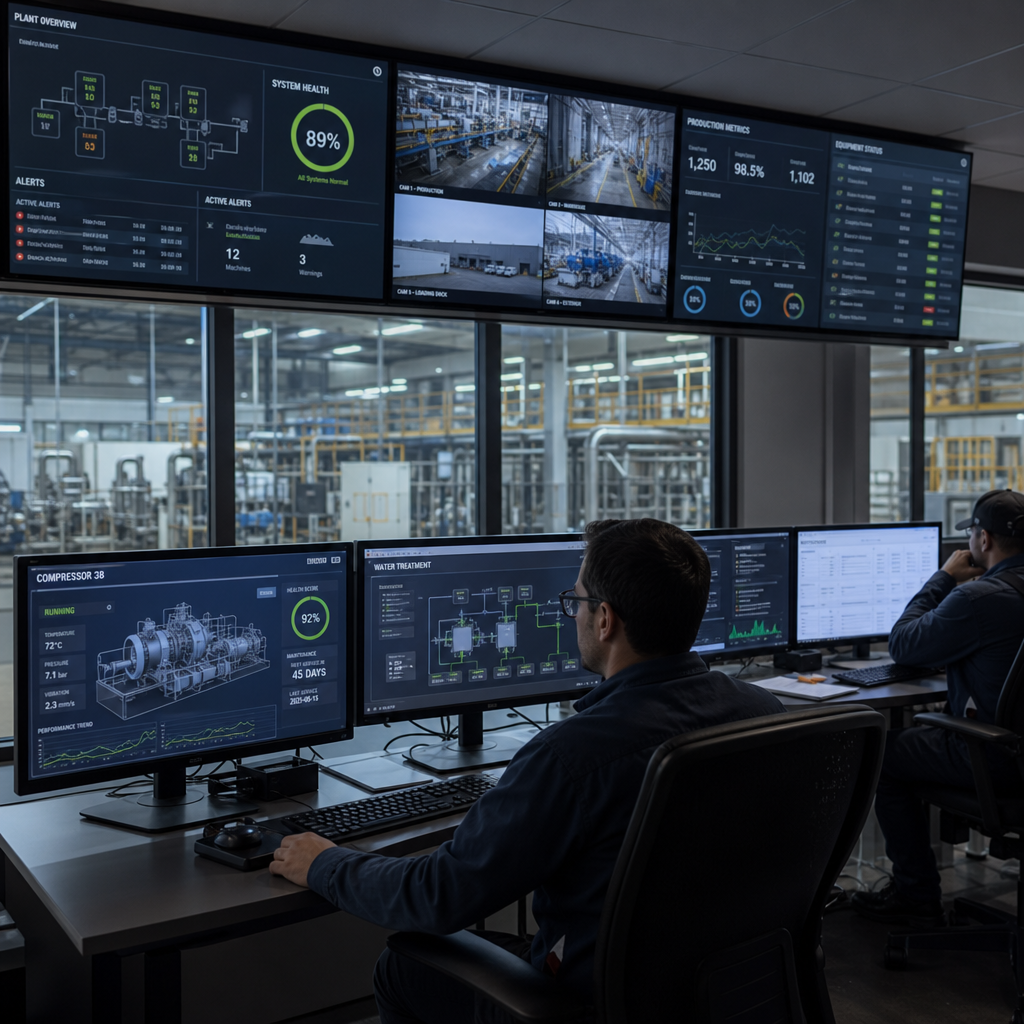
The most immediate application is AI-based video analytics. In manufacturing and infrastructure environments, this looks like camera and sensor systems that don't just record footage but interpret it — flagging equipment anomalies, tracking occupancy patterns in shared spaces, or identifying safety issues in real time. For facility managers, the value isn't the AI itself; it's the reduction in manual monitoring and the earlier warning on issues that used to surface only after something failed.
Predictive maintenance is where this becomes especially relevant for energy and industrial operators. AV and control systems generate a steady stream of operational data — usage patterns, environmental conditions, hardware performance. Applied thoughtfully, AI models can flag degrading components or unusual system behavior before it results in downtime. This doesn't replace a solid maintenance program, but it does give teams better information to act on, and it shifts AV infrastructure from a "fix when it breaks" line item to something that's actively monitored.
There's also a quieter shift happening in how people use these spaces day to day. Hybrid collaboration environments — control rooms, operations centers, conference spaces — are increasingly BYOD-ready, with AI handling the friction points: auto-framing video, adjusting audio for room acoustics, or routing content based on who's presenting and from where. None of this is flashy, but it's the difference between a smart space that genuinely reduces friction and one that just has more technology bolted onto it.
It's worth being direct about where the industry overstates things. AI in AV integration is not a plug-and-play upgrade, and it's not a substitute for good system design. The organizations getting real value are the ones treating AI as one input into a platform-agnostic AV strategy — not the whole strategy. That means starting with the operational problem (unplanned downtime, inconsistent room experiences, safety monitoring gaps) and evaluating which AI-enabled tools actually address it, rather than starting with the technology and looking for a use case.
For technical decision-makers in manufacturing, energy, and infrastructure, the practical next step is usually an honest assessment of current AV infrastructure: what data it's already generating, where the manual bottlenecks are, and whether existing systems can support AI-based capabilities or need updating first. A consultative approach — one that isn't tied to a single vendor's product roadmap — tends to surface more realistic answers than a sales-led one.
Smart spaces are becoming more capable, but the underlying principle hasn't changed: the technology should serve the operation, not the other way around.