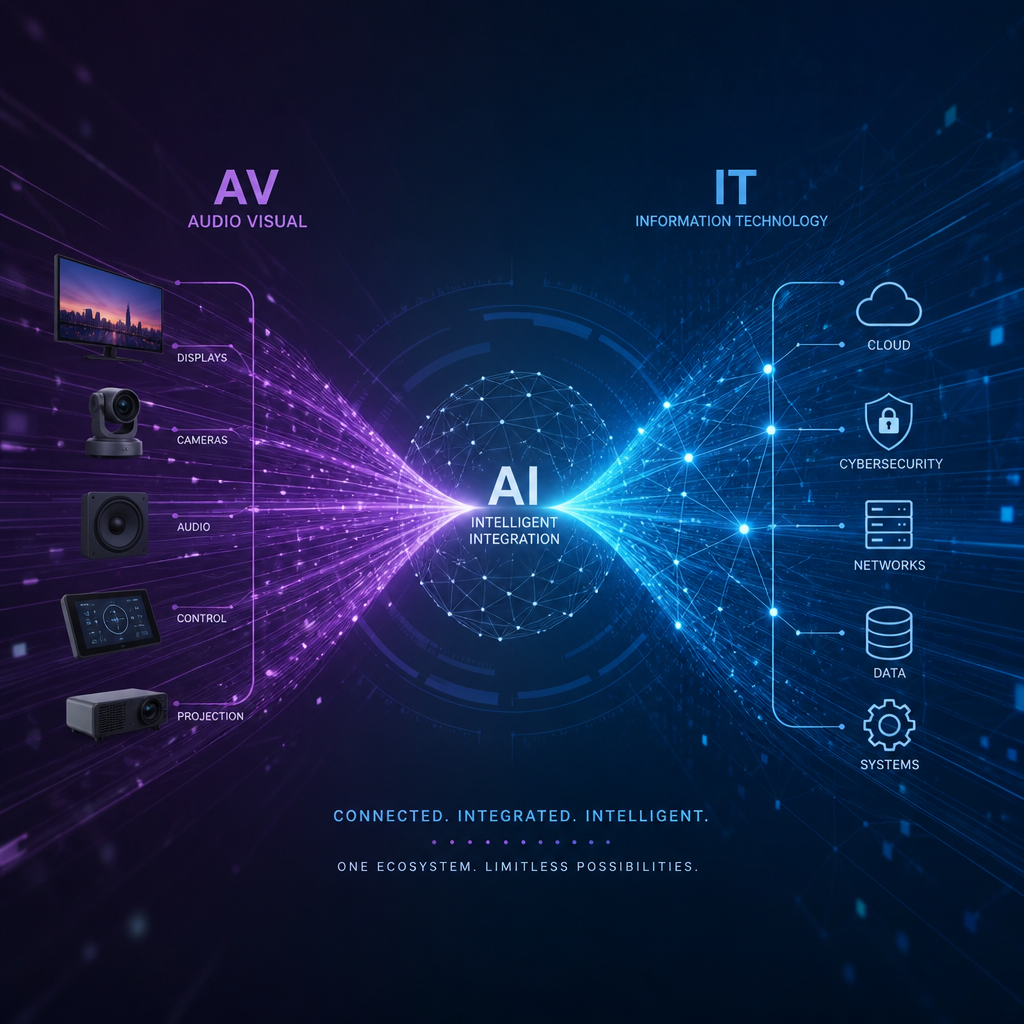
InfoComm 2026: The Defining Shift to Convergence
InfoComm 2026 served as a pivotal moment for the audio-visual industry, unequivocally cementing AV-IT convergence as the defining trend. With over 750 exhibitors, the event showcased a clear trajectory towards integrated, intelligent, and IP-based solutions. This shift is not merely technological; it represents a fundamental reshaping of how organizations approach enterprise collaboration, impacting everything from meeting rooms to large-scale institutional deployments. The focus has moved beyond individual components to holistic, interconnected ecosystems that leverage the power of IT infrastructure.
Key Technological Drivers
The exhibition floor was a testament to several key technological advancements driving this convergence:
- AI-Enabled Systems: Artificial intelligence is no longer a futuristic concept but a practical tool enhancing AV systems. From intelligent cameras that automate framing and tracking to sophisticated AI-based video analytics for occupancy sensing and engagement metrics, AI is making AV solutions smarter and more responsive.
- IP-Based Architectures: The move to IP continues to accelerate, offering unparalleled flexibility, scalability, and simplified management. This allows for seamless integration of AV devices onto existing network infrastructure, reducing complexity and enabling remote management and diagnostics.
- Integrated Audio-Visual Solutions: Vendors are increasingly offering comprehensive, integrated platforms rather than standalone products. This includes unified communication platforms with native AV capabilities, as well as solutions designed for seamless interoperability across diverse hardware and software environments.
Strategic Adoption for Modern Enterprises
For organizations across corporate, education, government, and hospitality sectors, the insights from InfoComm 2026 provide a roadmap for strategic investment. Adopting these emerging technologies doesn't necessarily require a complete infrastructure overhaul. Instead, a thoughtful, platform-agnostic approach can facilitate a phased transition.
Consider these strategic areas for implementation:
- Enhancing Hybrid Collaboration: With the continued prevalence of hybrid work models, solutions that support seamless interaction between in-person and remote participants are crucial. This includes advanced camera systems, intelligent audio processing, and intuitive control interfaces.
- Optimizing Space Utilization: AI-enabled sensors and analytics can provide valuable data on how spaces are used, informing design decisions and optimizing resource allocation.
- Simplifying Management and Support: Centralized, IP-based management tools allow IT teams to monitor, troubleshoot, and update AV systems remotely, reducing operational overhead and improving system reliability.
- Ensuring BYOD-Ready Environments: Modern AV systems must accommodate a variety of user devices and platforms, ensuring that employees and guests can easily connect and collaborate.
Partnering for Success
Navigating the complexities of AV-IT convergence requires expertise. A consultative approach is essential to translate these industry trends into practical, impactful solutions tailored to your organization's unique needs. By understanding your specific challenges and objectives, we can help you strategically adopt these technologies, ensuring your enterprise collaboration infrastructure is future-ready and delivers tangible value.